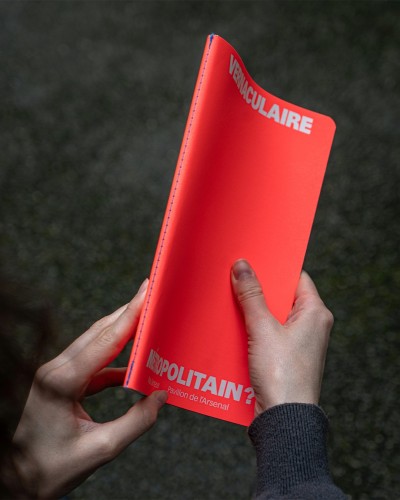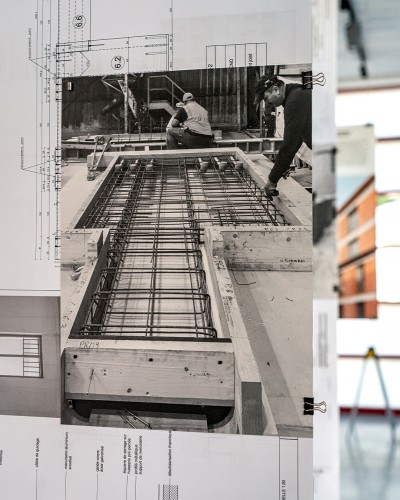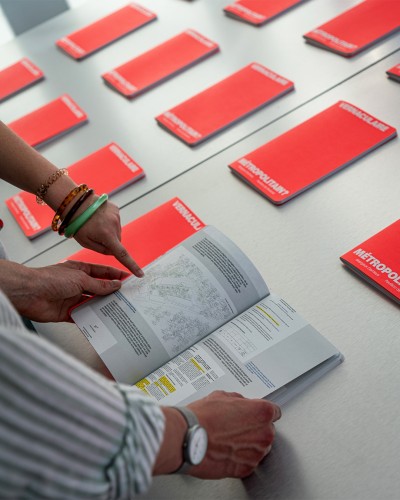


This study reports on a survey conducted at architecture firms and on construction sites in the Greater Paris area, exploring what—and who—guides the design and execution of details in new multi-family housing projects.
THE PUBLICATION
RESEARCH OVERVIEW
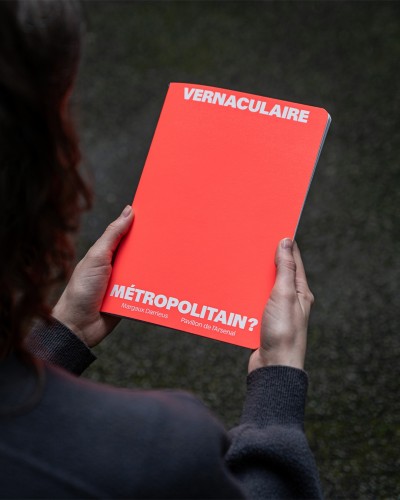
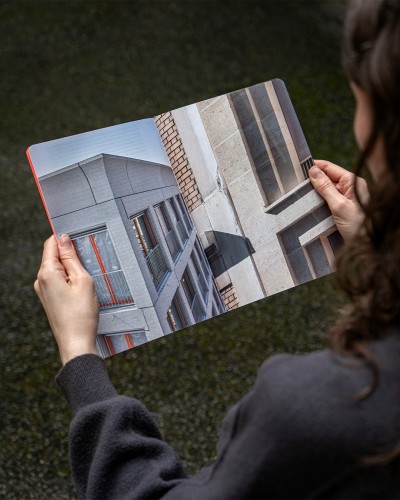
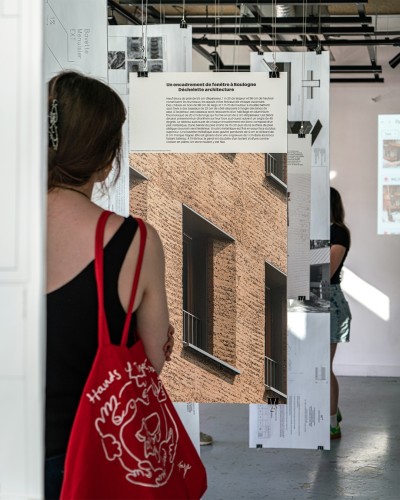
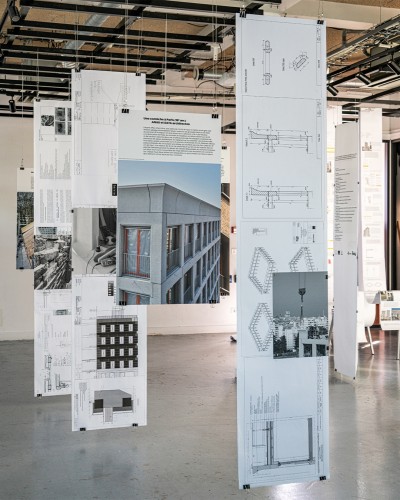
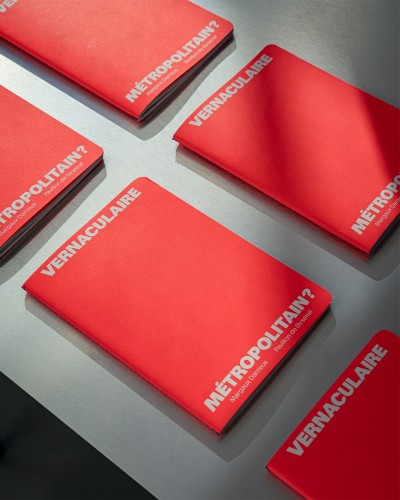
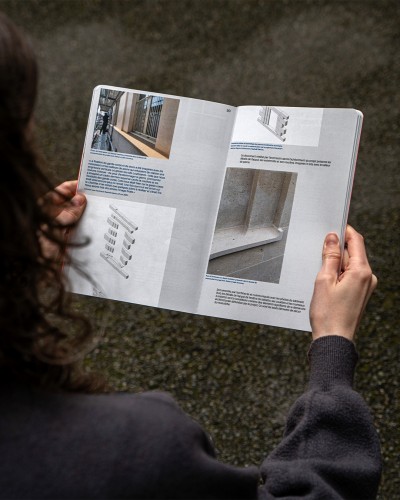
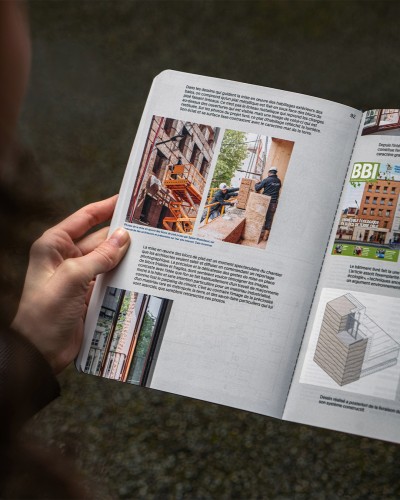
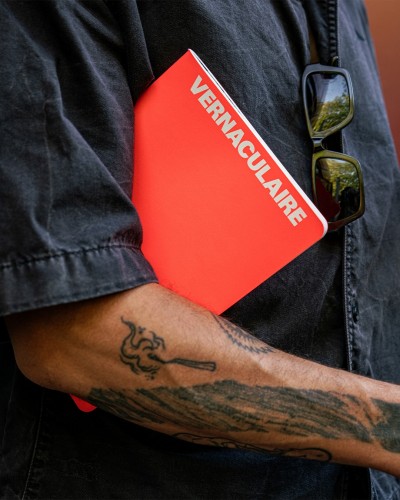
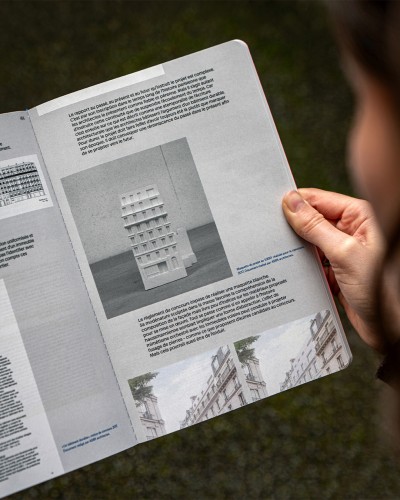
A cornice, a gutter, reused bricks, a chimney, a loggia, and window frames made of concrete, stone, and earth. The study “Metropolitan Vernacular?” documents an investigation into architectural firms and construction sites in the Greater Paris area, exploring the principles—and the people—that guide the design and execution of details in new multi-family housing projects.
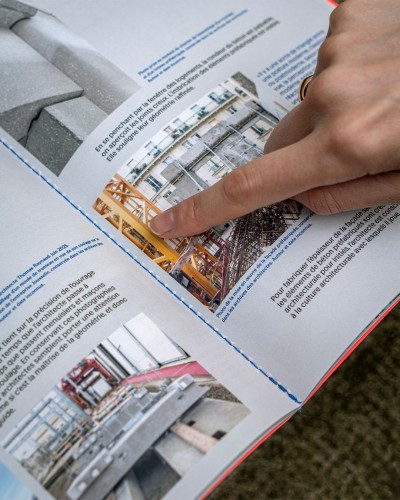
In this journal, documents are interwoven with commentary to recount the twists and turns of architecture. The images, drawings, and words gathered here are organized and analyzed to uncover—behind the facade of institutionalized labels—the substance of ecological intentions. Here we encounter stubborn materials and confident artisans, architects seeking some control over the image of their projects, companies forced to adapt, residents concerned about their neighborhoods, and prototypes transformed into political arenas. Traced in reverse from the implementation of the details, or woven closely around their development, these eight narratives recount the technical conditions, ethical ambitions, and aesthetic considerations that hold architectural details together today. For it is perhaps at this scale that we can discern the signs of architecture’s ecological commitment, within the Greater Paris region—the stage for a globalized real estate economy.
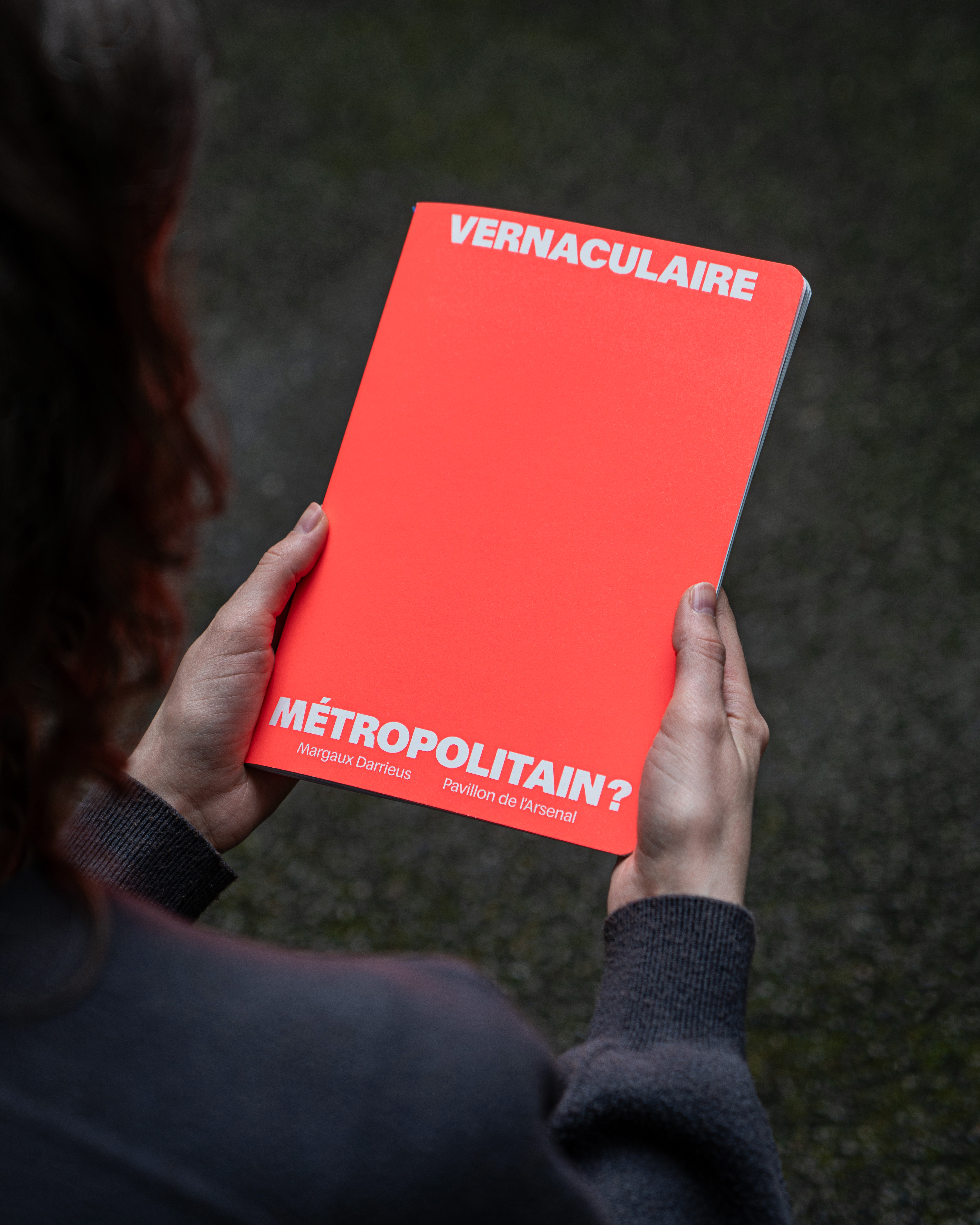
By Margaux Darrieus, Ph.D. in Architecture
Published by Pavillon de l’Arsenal, April 2026
as part of FAIRE PARIS
Graphic design: Emmanuel Besse
17.5 x 25 cm - 100 pages - French
Price: 13 euros
ISBN: 978-2-35487-087-4
Published by Pavillon de l’Arsenal, April 2026
as part of FAIRE PARIS
Graphic design: Emmanuel Besse
17.5 x 25 cm - 100 pages - French
Price: 13 euros
ISBN: 978-2-35487-087-4
RESEARCH OVERVIEW
A cornice, a gutter, reused bricks, a chimney, a loggia, and window frames made of concrete, stone, and earth. The study “Metropolitan Vernacular?” documents an investigation into architectural firms and construction sites in the Greater Paris area, exploring the principles—and the people—that guide the design and execution of details in new multi-family housing projects.
In this journal, documents are interwoven with commentary to recount the twists and turns of architecture. The images, drawings, and words gathered here are organized and analyzed to uncover—behind the facade of institutionalized labels—the substance of ecological intentions. Here we encounter stubborn materials and confident artisans, architects seeking some control over the image of their projects, companies forced to adapt, residents concerned about their neighborhoods, and prototypes transformed into political arenas. Traced in reverse from the implementation of the details, or woven closely around their development, these eight narratives recount the technical conditions, ethical ambitions, and aesthetic considerations that hold architectural details together today. For it is perhaps at this scale that we can discern the signs of architecture’s ecological commitment, within the Greater Paris region—the stage for a globalized real estate economy.
8 stories explore the construction of multi-family housing in Greater Paris.
This editorial feature explores, at the level of detail, the tensions between ecological ambitions, technical constraints, and metropolitan imaginaries.
- A cornice in Paris (18th arr.)➝ ANAU and DATA Architects
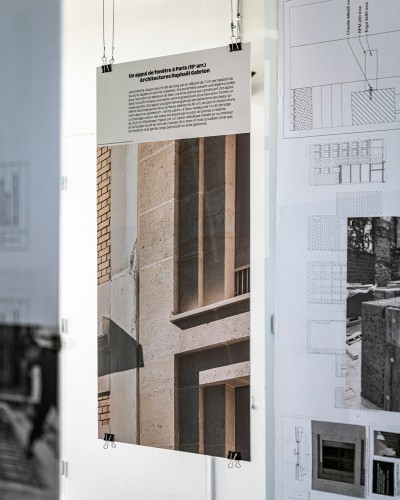
- A window sill in Paris (15th arr.)➝ Architectures Raphaël Gabrion
- A chimney in Yerres➝ Belval & Parquet Architects
- A window frame in Paris (10th arr.)➝ ASBR Architects
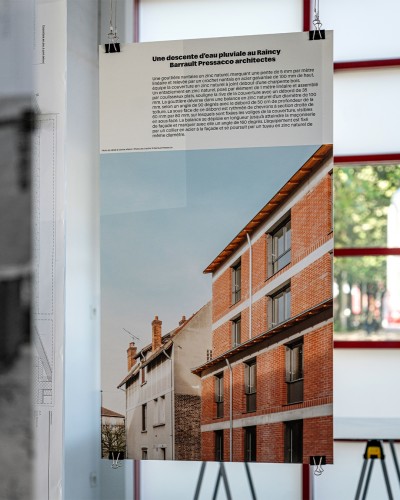
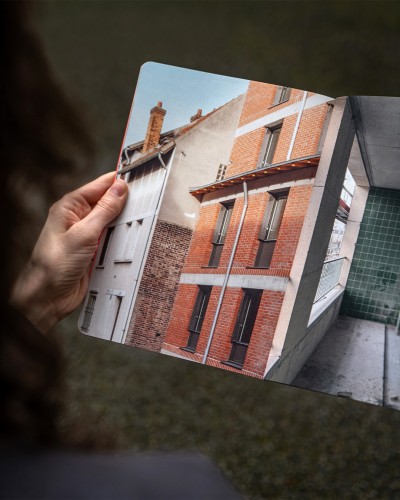
- A rainwater downspout in Le Raincy➝ Barrault Pressacco Architects
- A loggia in Paris (14th arr.)➝ Kuehn Malvezzi, Plan Común, Nicolas Dorval-Bory Architects
- A window frame in Pantin➝ Atelier Rita et Vida Architecture
- A window frame in Boulogne ➝ Déchelette Architecture
This editorial feature explores, at the level of detail, the tensions between ecological ambitions, technical constraints, and metropolitan imaginaries.
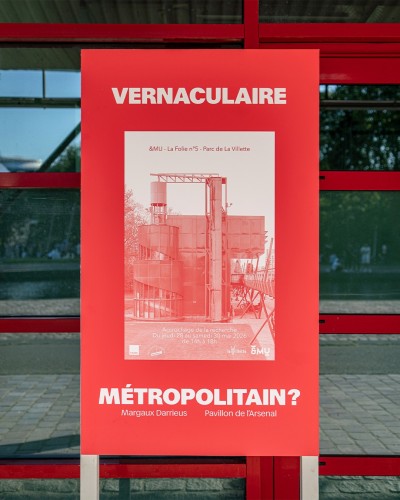
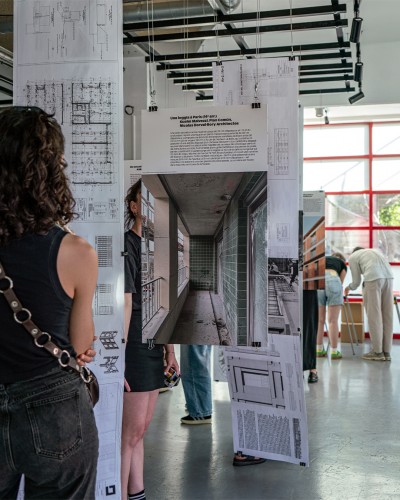
ACCROCHAGE DE LA RECHERCHE
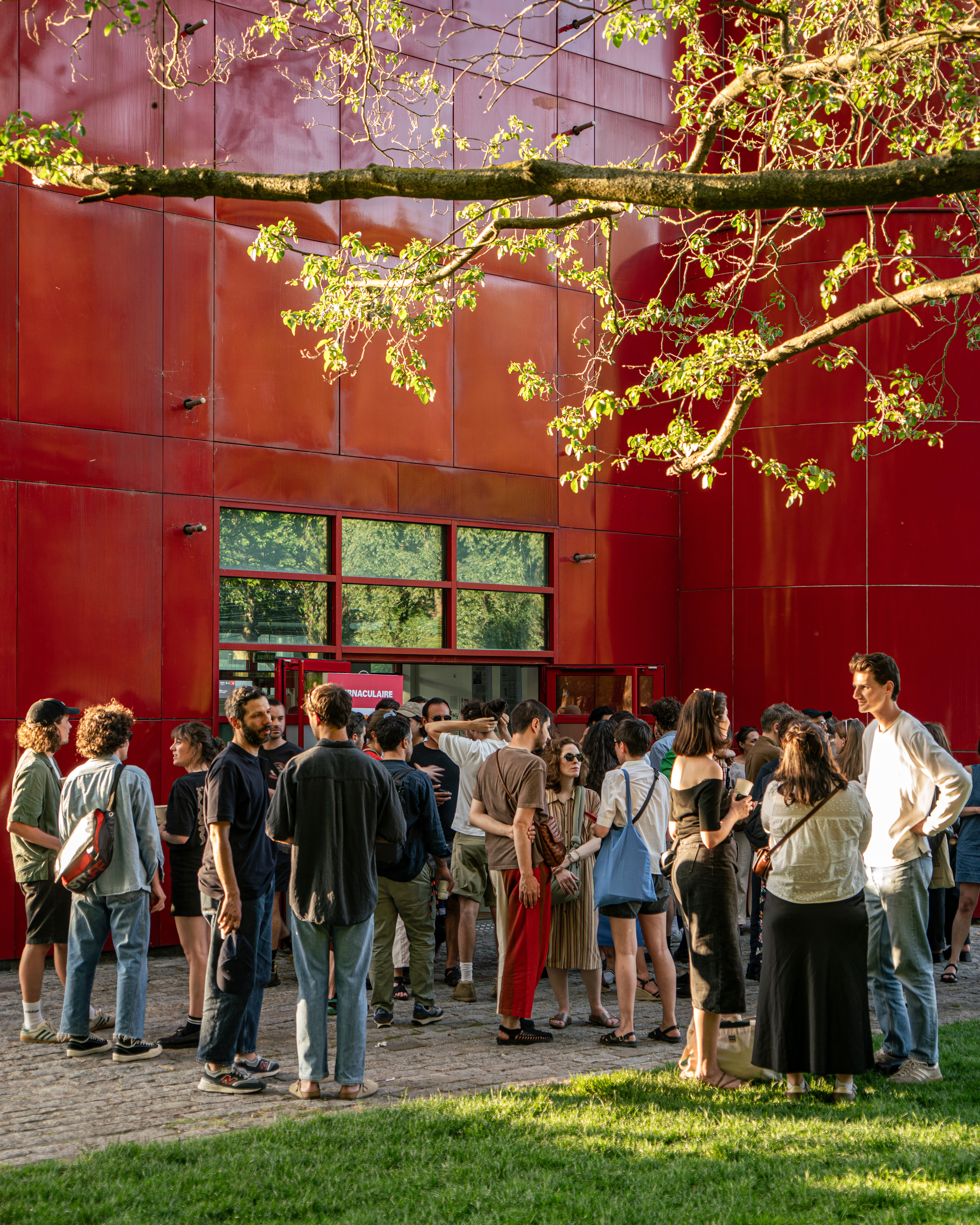
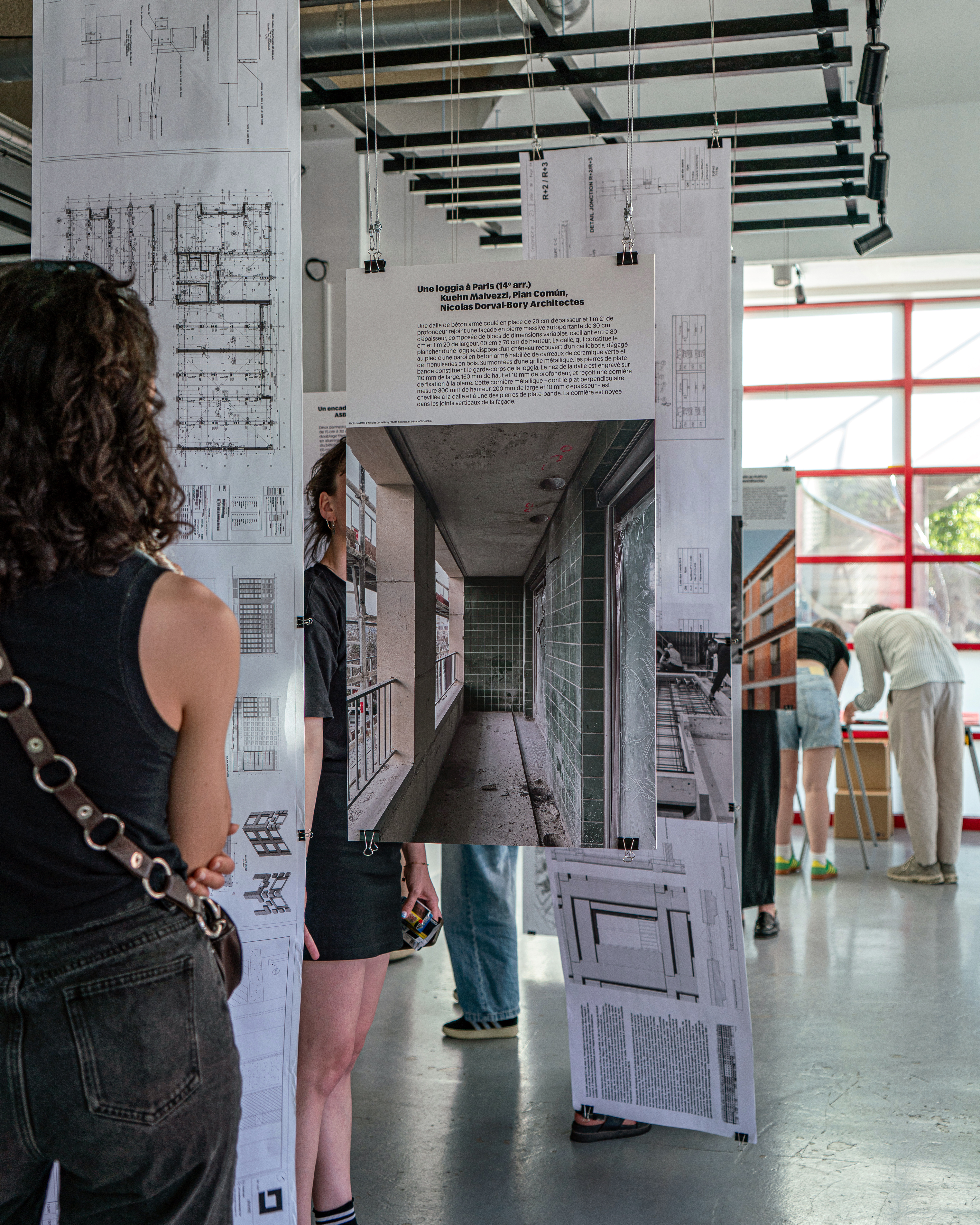
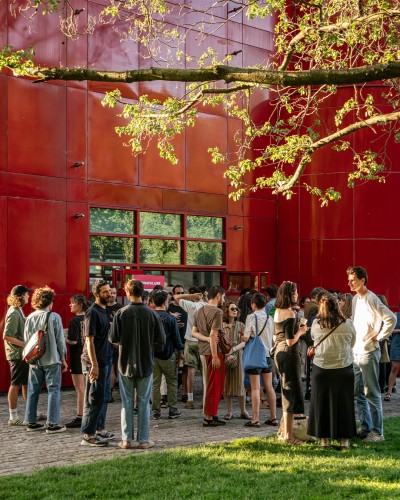
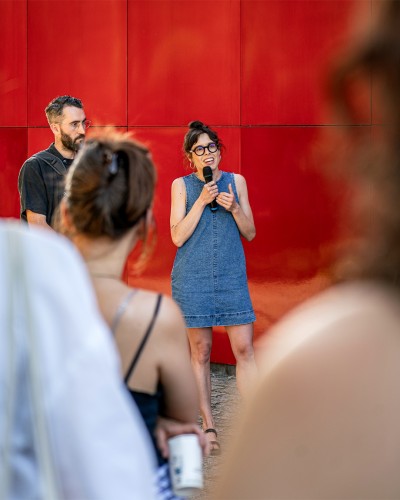
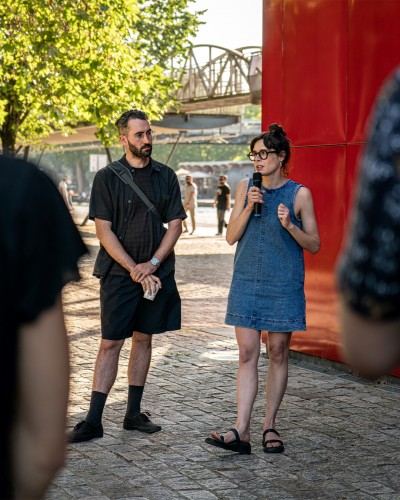
Lancement le mercredi 27 mai 2026 à 19h
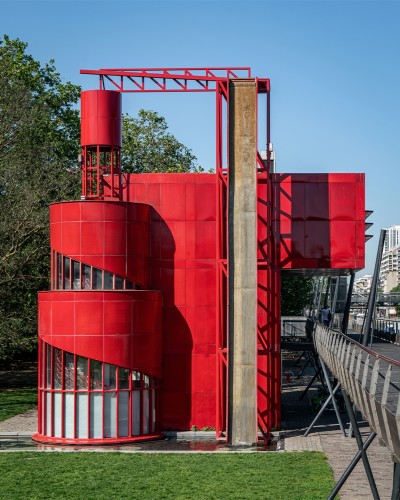
Folie 5, Parc de La Villette
211 Av. Jean Jaurès, 75019 Paris
Accrochage du jeudi 28 au samedi 30 mai 2026 de 14h à 18h
&MU - Folie 5, Parc de La Villette
211 Av. Jean Jaurès, 75019 Paris
Lancement le mercredi 27 mai 2026 à 19h
Folie 5, Parc de La Villette
211 Av. Jean Jaurès, 75019 Paris
Accrochage du jeudi 28 au samedi 30 mai 2026 de 14h à 18h
&MU - Folie 5, Parc de La Villette
211 Av. Jean Jaurès, 75019 Paris
PROJECT LEADERS
Architectural critic Margaux DARRIEUS holds a doctorate in architecture and is a lecturer at Ensa Bretagne, a member of the ACS UMR AUSser 3329 research laboratory and an associate member of Grief. Since 2011, she has also been a journalist on the editorial staff of the specialist magazine AMC. It is in these multiple venues and in a variety of formats (articles, exhibition curating, teaching, research) that she deploys her critical activity, questioning the ways in which architecture is made and the ways in which architects are, in the face of contemporary socio-environmental issues.